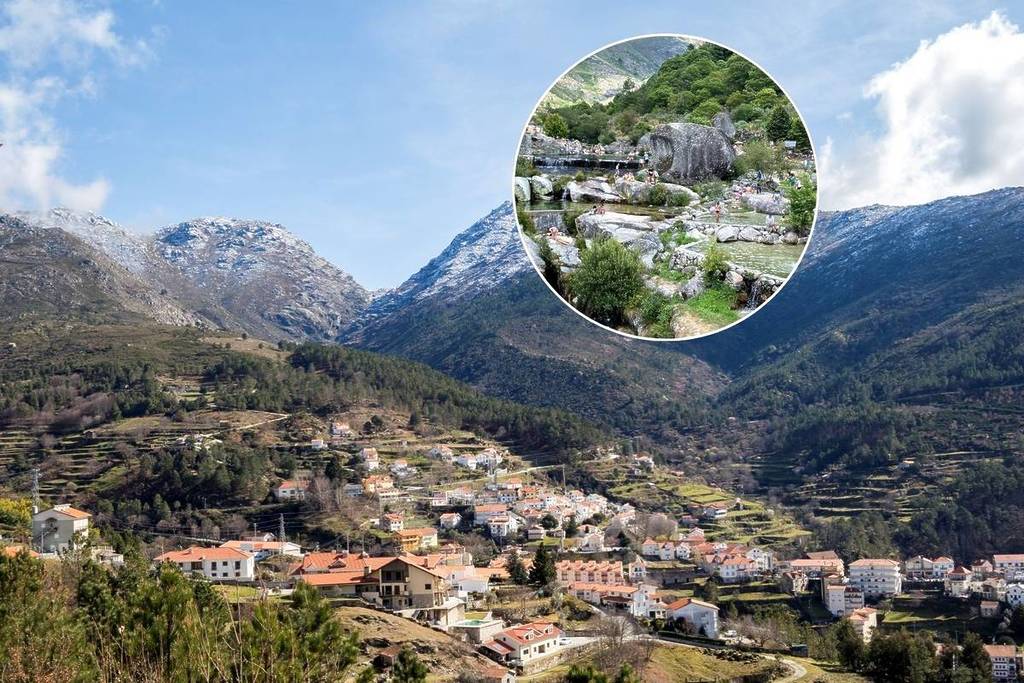
Outside Portugal, there are breathtaking landscapes where nature rises high and makes every visitor sigh; but here too. Known as the ‘Portuguese Switzerland’, the small village of Loriga (in the municipality of Seia) is attracting the attention of foreign tourists , earning comparisons to the famous Alps across the border.
Analogies aside, the truth is that Loriga’s natural beauty is more than enough to get us on the road. The best part? You don’t have to empty your wallet on flights, just make sure your car has fuel and set off for a setting that is as bucolic as it is unforgettable. Streams and waterfalls, picture-postcard river beaches and trails invite you to immerse yourself in the deepest (and purest) Portugal.
A place distinguished by the UN
 Credit: Getty Images – Evellyn Ventura
We are not the only admirers of Loriga’s charms. After all, the United Nations World Tourism Organization (UNWTO) itself has distinguished this small Portuguese village as one of the “Best Tourism Villages 2025.” In addition to Loriga, the list of award-winning “villages” also includes Mértola and Vila Nogueira de Azeitão, both in the south of the country.
The UN agency valued the integration of tourism into community life in Loriga, as well as respect for the mountainous environment and a commitment to sustainable digital development. In this regard, it is worth highlighting a local mobile app, which provides information on ecological routes, real-time data on tourist numbers, and links to local producers.
The charms of a glacial valley
 Credit: Getty Images / Donatojr-Fineart
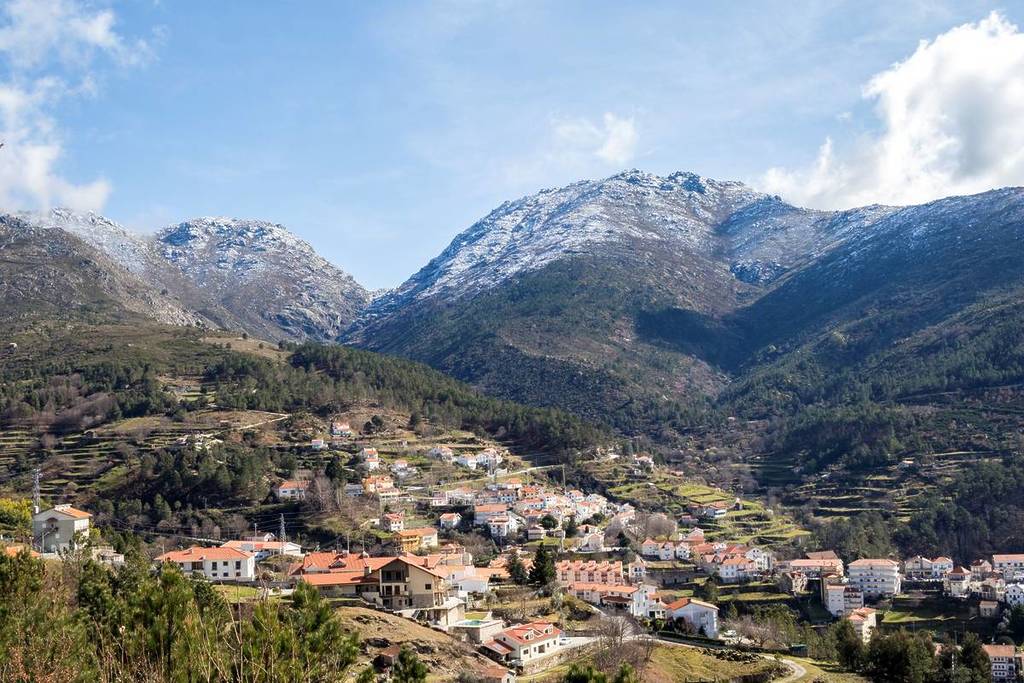
According to National Geographic Portugal, this town, located at an altitude of 770 meters, very close to the famous Serra da Estrela mountain range, is home to the only permanently inhabited glacial valley in the country, surrounded by peaks reaching almost 2000 meters.
According to the article in the publication:
Here, more than 20,000 years ago, a glacier carved out the U-shaped valley. Studies by the Geosciences Center at the University of Coimbra document the presence of staggered glacial cirques – Covão Boieiro, Covão do Meio, Covão da Nave, Covão da Areia – which rise like geological steps towards the peaks.
What to visit in Loriga?
 Photo: Liliana Marmelo / Shutterstock.com
There are three seasons of the year that offer a different perspective on the natural beauty of Loriga.
In winter, you can play in the snow and feel like you’re in the Alps, without leaving Portugal. In the warmer season, take the opportunity to dive into the icy (but pure) waters of Loriga River Beach – the jewel in the crown of any inland itinerary. Alternatively, in autumn, the vibrant colors of deciduous trees, such as beeches, chestnuts, and birches, among others, dominate the landscape.
In addition to the seasonality that gives each visit a special character, we recommend a stop at the following places:
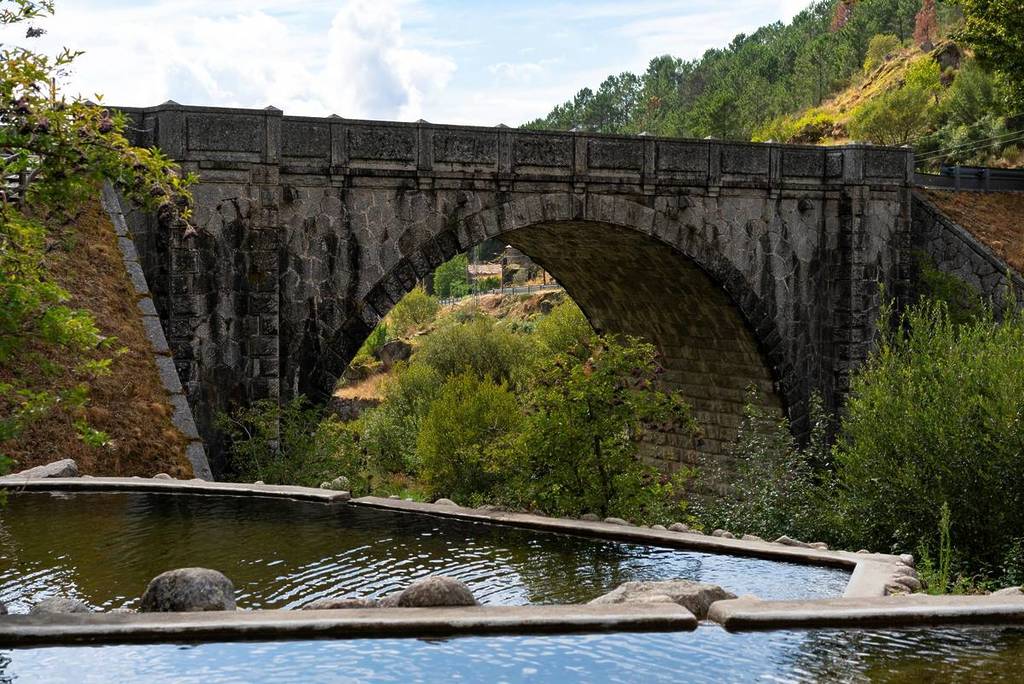
- Via Romana and Ponte Velha
- Historic Center
- Seia Road Viewpoint (before entering the village)
- Louriga Parish Church
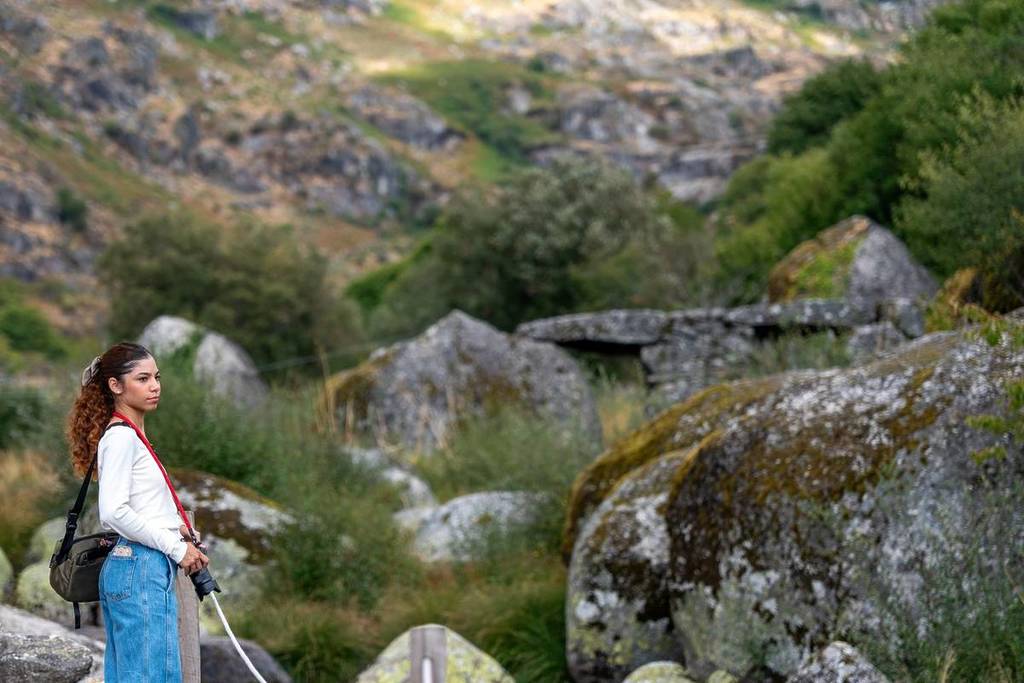
- Loriga Gorge Trail
- Old wool factories.
How to get there from Porto?
 Credit: Getty Images – Pedro Pereira
Leaving the hustle and bustle of Porto for the silence of Serra da Estrela is not for everyone . If you prefer the city buzz, then it’s better not to leave home; on the other hand, if you want to disconnect and relax, Loriga is a destination to consider.
Located about 180 kilometers from Porto, the best way to get there is by car. To do so, we recommend that you take the A1 south, then take the A25 (towards Viseu/Guarda), exit onto the N231 towards Seia, and continue up the mountain until you reach the natural amphitheater of Loriga.
Pay attention to the curves, as the final climb is when the picturesque village transforms into the “Portuguese Switzerland.”
Don’t just stand there watching ships! Follow us onFacebook,Instagram, and now also onWhatsApp!