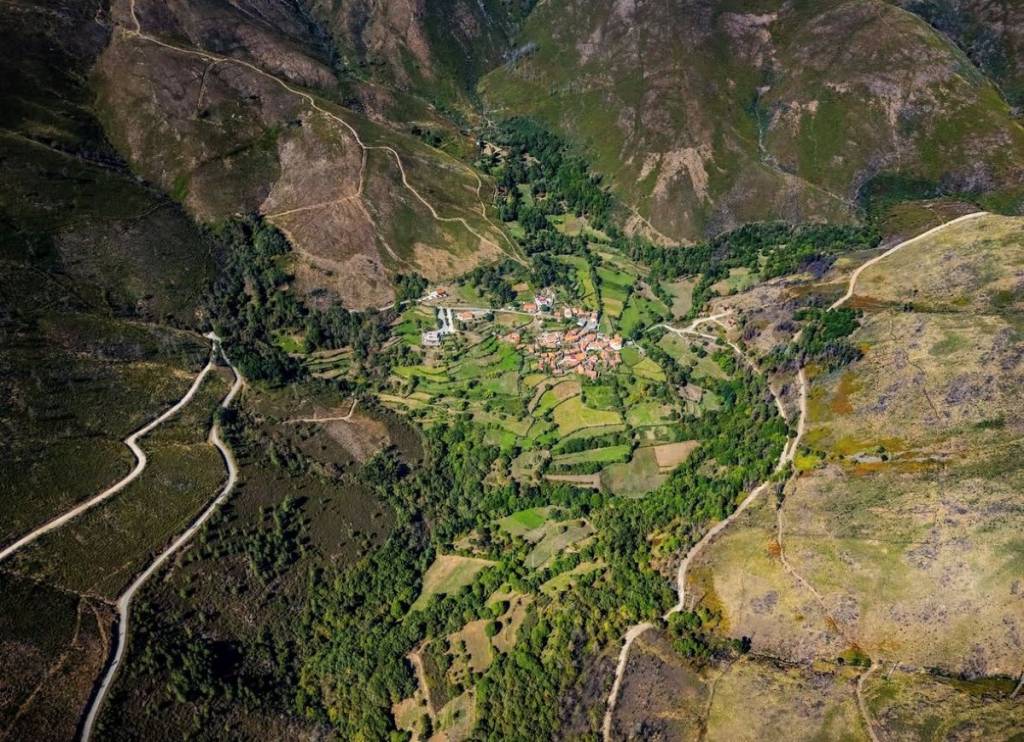

Until less than 20 years ago, Mafómedes— often considered the “most remotevillage in the district of Porto”—lived with its “back turned” on the rest of the municipality of Baião. Located about 80 km from the center of Porto, according to an article in the “Jornal de Notícias,” the paved road did not reach this area until 2008—a decade after the promise made by former President Jorge Sampaio in 1998.
Nestled between two steep slopes of the Serra do Marão, the small village of Mafómedes belongs to the Union of Parishes of Teixeira and Teixeiró and lies near the border with the municipality of Peso da Régua. Getting there still requires patience: the last few kilometers wind their way up the mountain, but the view that opens up upon arrival makes every curve worthwhile.
A haven with a river of crystal-clear waters and trails
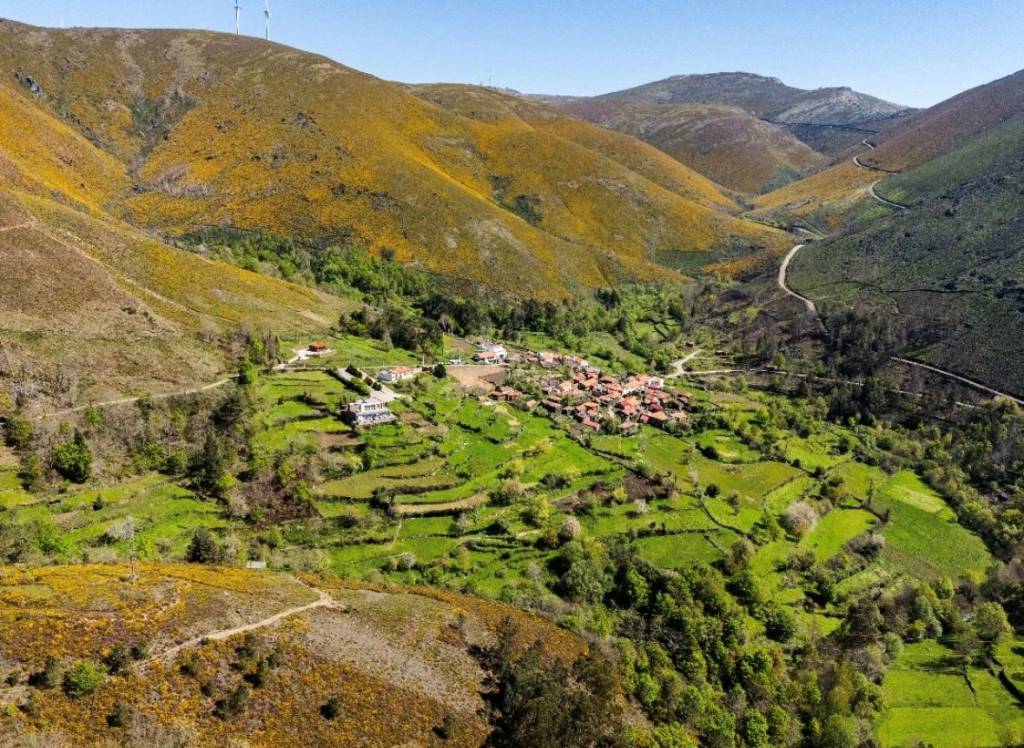
“About 18 residents”—that’s how Ricardo Rocha, owner of the local tavern, summed up the population of Mafómedes to Expresso’s “Boa Cama Boa Mesa” guide in an article published in September 2025.
That’s not many people for a place that, every summer, welcomes far more visitors than residents, drawn by the Teixeira River—a small waterway that originates in the Serra do Marão itself and flows into the Douro on the right bank—known for its crystal-clear waters. Nearby, a swimming area with a natural pool has been created, complete with plenty of picnic tables and a barbecue area.
But nature offers more than just swimming. For those who enjoy hiking, there is an 18-km trail called “Serra do Marão: Mafómedes – Fraga da Ermida – Senhora da Serra,” a loop trail that connects the village to some of the mountain’s most interesting spots: the Fraga da Ermida lookout point and the old Minas do Teixo mines —where tin was mined primarily between 1940 and 1968.
Portugal’s Highest Pilgrimage
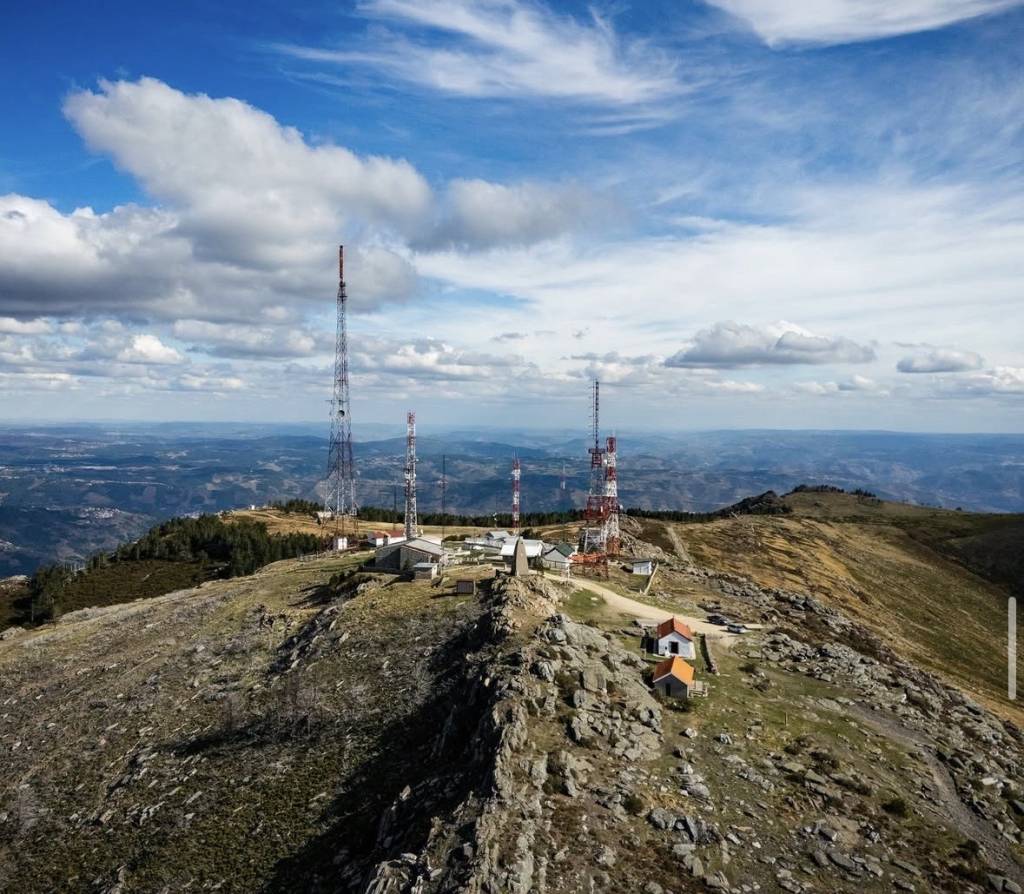
At the mountain’s highest point, at an altitude of 1,416 meters, stands the Chapel of Senhora da Serra, also known as the Chapel of Nossa Senhora do Marão. It is this altitude that gives rise to the name of the festival held there every year on the second Sunday in July: the hike begins at midnight in Gestaçô, passes through Teixeira and Mafómedes, and reaches the summit at dawn, when pilgrims and visitors from various neighboring municipalities watch the sunrise over the Douro and Trás-os-Montes, in what is known as the country’s highest pilgrimage.
To endure such long journeys through the mountains, it makes perfect sense that a traditional regional treat has gained fame—one that’s well worth trying: the Teixeira cookie. It is small, rectangular, brown in color, and contains no eggs—which explains its dense texture and ability to keep for weeks without spoiling, even outside the refrigerator, making it a true ancestral “energy bar” for those who passed through the area.
Where to Eat and Where to Stay
Those who wish to extend their stay can stay at the Mafómedes Community House, housed in what used to be the village’s old elementary school: it has three air-conditioned bedrooms, two bathrooms, a living room with a fireplace, a fully equipped kitchen, and a terrace with a barbecue.
To satisfy your appetite, the destination is well known: Tasca do Valado, in the center of Mafómedes. The restaurant’s success earned it a feature in an Expresso article at the end of last summer, securing its recommendation as a regional restaurant by the 2025 Boa Cama Boa Mesa Guide.
Don’t miss out! Follow us on Facebook, Instagram, and now on WhatsApp too !