
Any frequent traveler is all too familiar with the drama of heading to Sá Carneiro Airport: the never-ending struggle between trying to cram half your wardrobe into a tiny backpack or subjecting yourself to the dreaded carry-on baggage fees charged by certain airlines.
Here’s what you need to know: After more than a decade of discussions, the European Union has approved new rules regarding air passenger rights, which will take effect on October 23, 2027.
If you thought this meant the definitive end to having to pay extra to bring a carry-on bag, the final version of the approved document has its nuances. That’s why we’ve broken down what will actually change and what impact that will have on your next getaways.
The right to a “personal item” at no cost

The biggest change in this legislation is the guarantee that any passenger on a flight covered by the regulation will now have the right to carry one small personal item into the cabin without paying a single cent more
The rules stipulate that your backpack or purse must not exceed 40 × 30 × 15 cm in size or must fit under the seat in front of you, in compliance with safety requirements. Carrying this personal item for free is thus now an expressly guaranteed right.
Checked bags and carry-on luggage may still incur additional fees
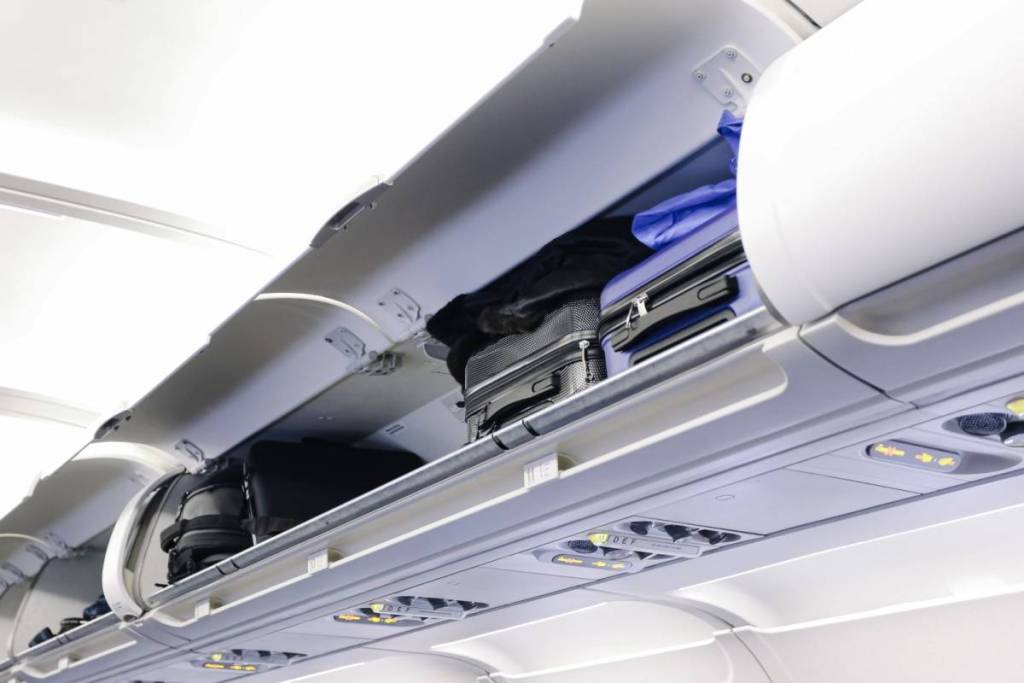
If your travel style calls for the classic trolley bag to fit in the overhead compartment, the new rules don’t guarantee that you’ll be able to bring it on board for free. Airlines can still charge for carrying a larger carry-on bag.
This means that airlines will still be able to offer cheaper tickets—so-called “bare-bones” fares—to those traveling with only the essentials, while charging an extra fee to passengers who can’t do without their traditional carry-on bag. With other fares, that bag may already be included in the price
The big win for travelers amid all this is greater transparency in pricing. The new rules require airlines, travel agencies, and search engines to display, by default and before the booking process begins, the fare that includes a carry-on bag. This doesn’t prevent them from continuing to offer cheaper options without that baggage.
The intention is clear: to make it easier to compare fares that include baggage, preventing that ticket that seems like a bargain at first glance from turning out to be much less economical once you add a suitcase for the weekend.
Note the exception for the United Kingdom

For Porto residents who fly regularly to the United Kingdom, there’s one detail not to be overlooked: Brexit. Since the United Kingdom has already left the European Union, this regulation does not apply equally to all flights between the two territories. Here’s how it will work:
- Flights departing from the EU and bound for the United Kingdom, even those operated by British airlines—European rules apply, and the personal item covered by the regulation is free of charge
- Flights departing from the United Kingdom and bound for the EU, operated by European Union carriers—are covered under the terms and conditions set forth in the regulation.
- Flights departing from the United Kingdom and bound for the EU, operated by British airlines — These are not covered by these European provisions. That does not mean, however, that they cannot charge for any baggage without other legal or contractual limitations.
Since there’s this waiting period until the new rules take effect on October 23, 2027, the main recommendation remains the same: check the size limits and baggage conditions allowed by the airline, your fare, and your route before proceeding to final payment.
Don’t miss out! Follow us on Facebook, Instagram, and now on WhatsApp too!