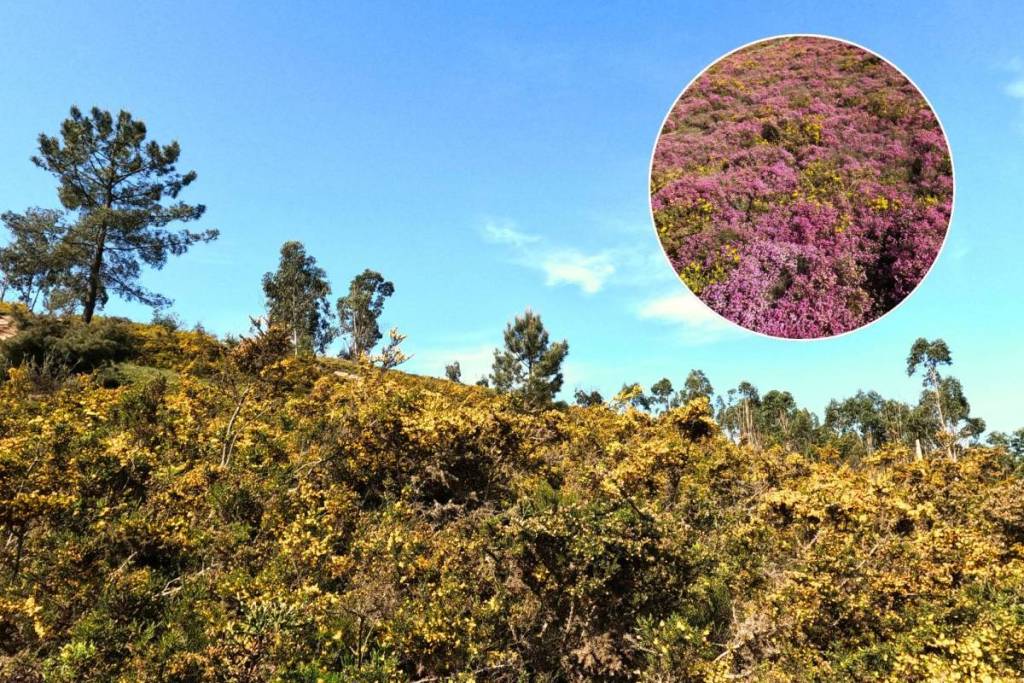

About 20 minutes from downtown Porto lies an area of nearly 6,000 hectares that serves as the green lung of Portugal’s second-largest urban area. It’s called the Serras do Porto Park, and it’s home to trails, rivers, and gold mines dug as far back as Roman times.
Six mountain ranges, three municipalities, one park
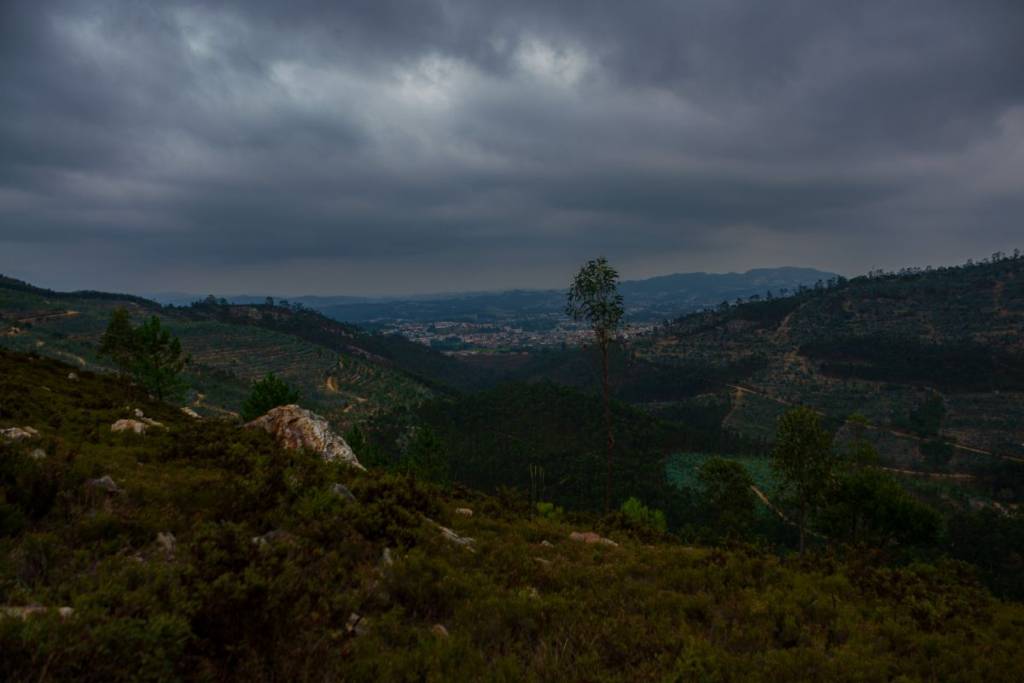
The Serras do Porto Park consists of six mountain ranges: Santa Justa, Pias, Castiçal, Santa Iria, Flores, and Banjas. They are spread across the municipalities of Gondomar, Paredes, and Valongo. It has been classified as a Regional Protected Landscape since 2017, and the valleys of the Ferreira and Sousa rivers, which cross the territory, provide a certain sense of seclusion to those who pass through, despite its proximity to one of the country’s most densely populated regions.
Rocks over 500 million years old
The park is situated on a geological structure approximately 90 km long that contains some of Portugal’s oldest rock formations, dating back more than 500 million years: the Valongo Anticline. These formations date back to the Paleozoic Era and allow us to journey through a span of approximately 250 million years of the planet’s geological history. There are also archaeological remains that attest to human occupation of this region for more than 6,000 years.
Gold mined by the Romans
The Banjas Mountain Range hides one of the area’s most interesting and surprising attractions: the Banjas Mines. These mines were first explored during Roman times, in search of gold, through a system of tunnels and shafts carved into the rock. Mining operations resumed centuries later, in the early 20th century, this time to extract antimony as well. Today, the ruins of the mining complex remain, continuing to bear witness to this past.
A salamander found only in this area
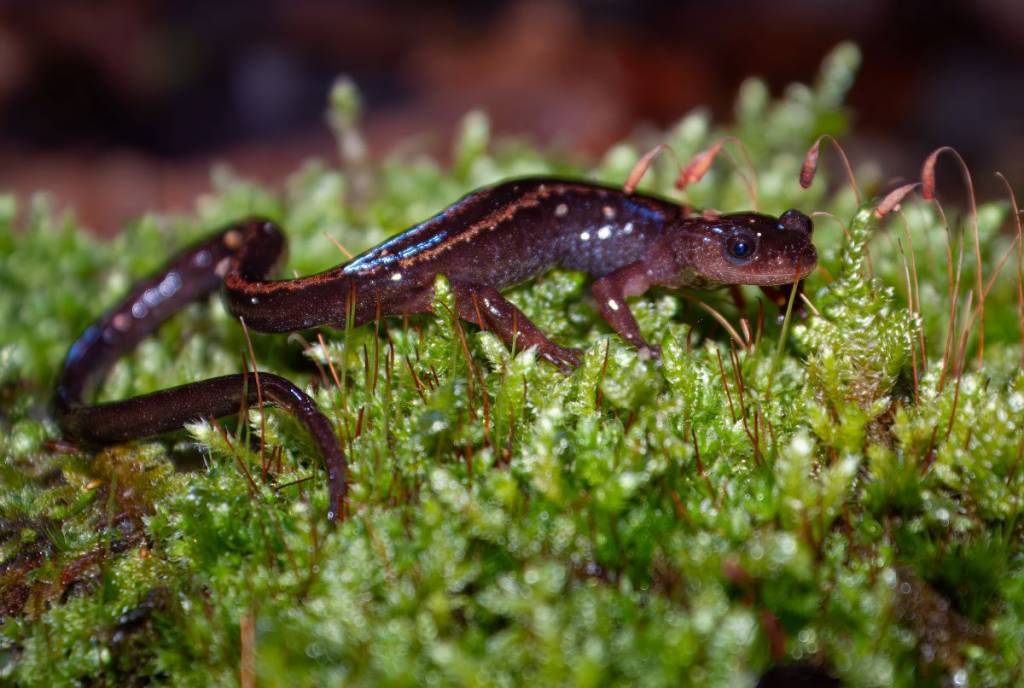
The old mining tunnels have become an unexpected refuge for the Lusitanian salamander (Chioglossa lusitanica). It is a rare amphibian species found in the northwest of the Iberian Peninsula and has a “vulnerable” conservation status, but it finds the best conditions for reproduction in these abandoned mines. The species is so representative of the park that it was ultimately chosen to appear on its logo.
Nearly 260 km of trails
To explore the park on foot, there is the Grande Rota das Serras do Porto, a trail approximately 57 km long, complemented by several shorter routes with names that already hint at what you’ll find. The Romans’ Trail, the Antimony and Gold Mines Trail, and the Castle Trail are just a few of the options. For those who prefer to start with local support, there are three visitor centers: São Pedro da Cova in Gondomar, Senhora do Salto in Paredes, and Santa Justa in Valongo.
How to get there from Porto
The closest entrance to the park, near Valongo, is about 16 km from downtown Porto—a 15- to 20-minute drive. Access on foot and to the trails is free, making the park an easy getaway for a morning or afternoon without leaving the metropolitan area.
Useful Information
Where: municipalities of Gondomar, Paredes, and Valongo
How to get there: about 16 km from Porto (Valongo area), a 15- to 20-minute drive
Area: approximately 5,974 hectares
Classification: Regional ProtectedLandscape since 2017
Admission: free
Sometimes, finding the latest news from Porto Secretoonlineis like looking for a needle in a haystack. Not anymore! Bookmark us asa Favorite Source.