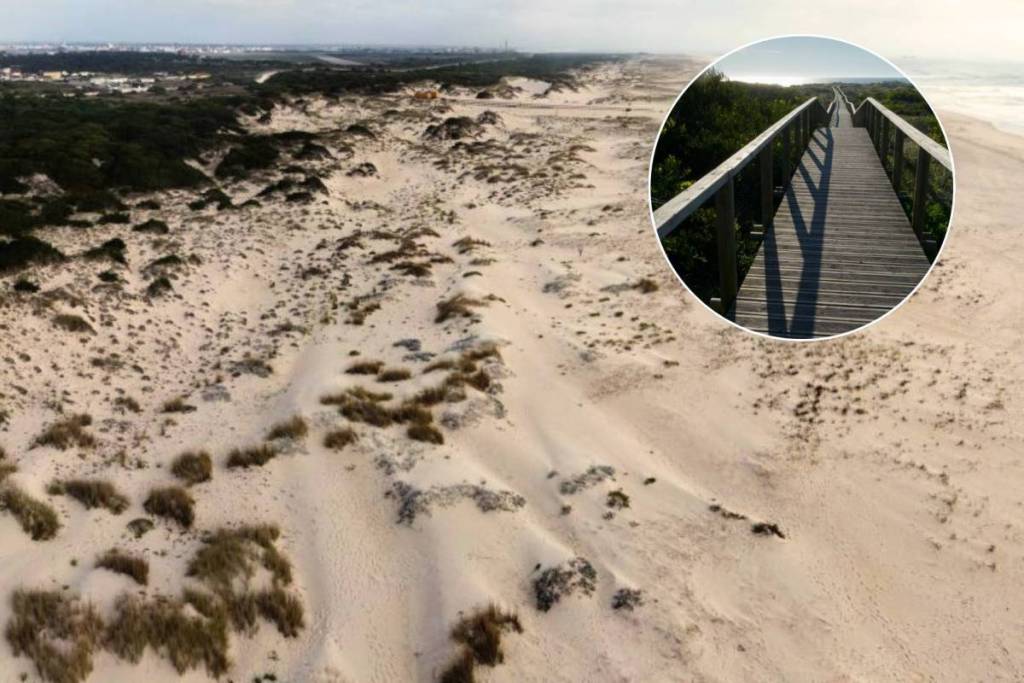

About 60 km from Porto, there is a strip of sand and pine forest squeezed between the Atlantic Ocean and the Ria de Aveiro that few know as well as it deserves. It is called the São Jacinto Dunes Nature Reserve; it has a history spanning nearly 50 years and has just been recognized as one of Portugal’s natural icons.
A reserve hidden between the sea and the estuary
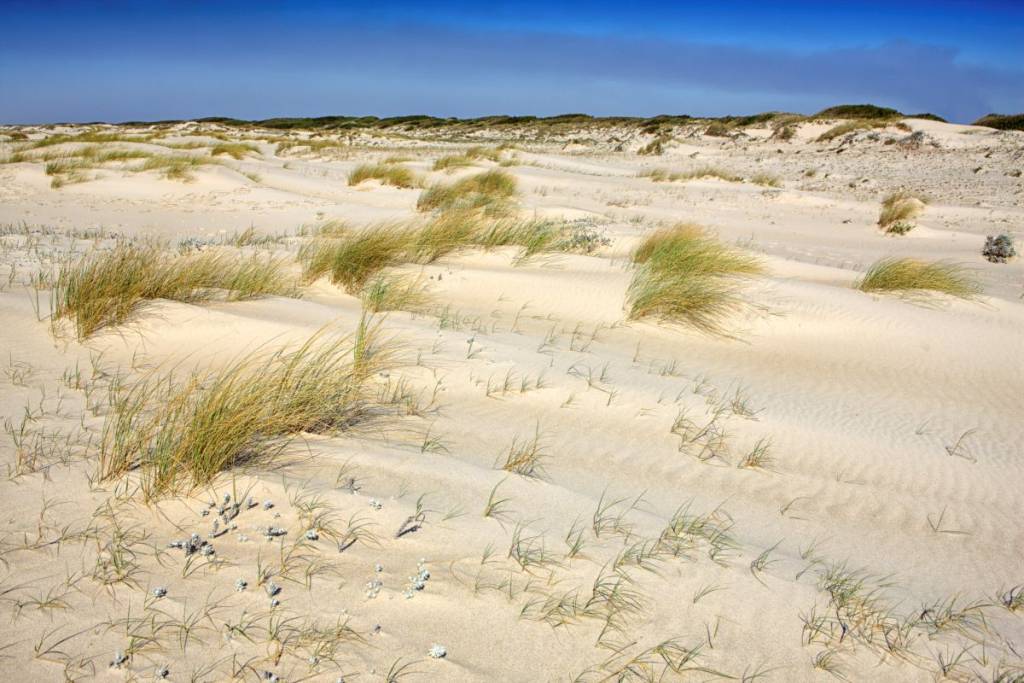
It occupies the tip of a narrow peninsula that stretches between Ovar and the village of São Jacinto, in the municipality of Aveiro. On one side lies the Atlantic Ocean; on the other, one of the branches of the Ria de Aveiro. This unique location, nestled between two such different landscapes, makes the reserve one of the most distinctive corners of the Portuguese coastline.
Nearly 50 years of protecting the dunes
The São Jacinto Dunes Nature Reserve was established on March 6, 1979. One of the reasons for its designation as a nature reserve was the need to protect the country’s northernmost heron colony, which had found refuge there. Today, the protected area covers approximately 960 hectares, of which about 200 are marine waters.
A Five-Star Icon in 2026
This year, the reserve was also in the spotlight. It was recognized as a regional icon in the “Reserves, Landscapes, and Dams” category of the 2026 edition of the Cinco Estrelas Regiões Award. This award is based on the evaluations of thousands of Portuguese consumers who identify the best each region of the country has to offer.
Wooden boardwalks and rare natural beauty
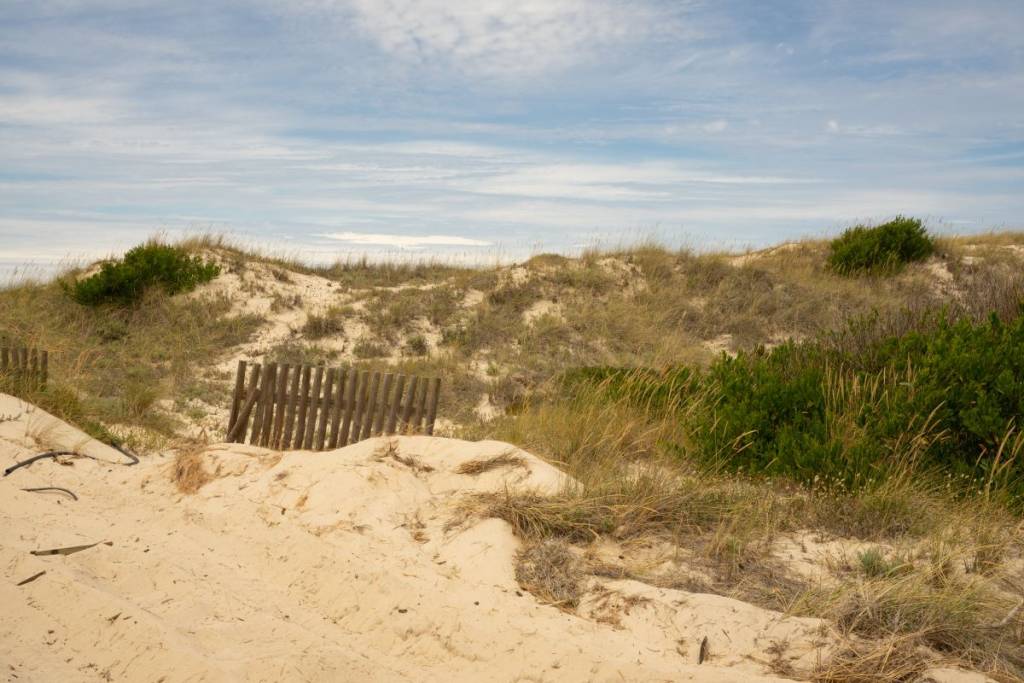
The São Jacinto Dunes Nature Reserve is traversed by the Nature Discovery Trail (a hiking trail), with two possible routes: a shorter one, about 3.3 km, and a longer one, about 7 km. These routes include a passage along the wooden walkways built to protect the dune system. The stone pine and the beach juniper dominate the trail, but there is also a rare shrub, the camarinha, which grows only on the Atlantic coast of the Iberian Peninsula. In addition to the flora, for those who enjoy birdwatching, winter is the best time to spot waterfowl near the area’s ponds.
How to visit
Access is via the Interpretive Center, where visitors check in before setting out on the trail. Exploring the trail on your own is free, but those who prefer a guided tour can book one by paying an hourly fee per group. Currently, the ICNF and the Municipality of Aveiro share management of the reserve, with a team of nature rangers dedicated to its conservation.
How to get there from Porto
Leaving from Porto, the most direct route is via the A29, taking the Ovar Norte exit, then following the coastal road to Torreira and continuing on the N327 to São Jacinto. It’s an ideal 60-km trip—far enough to escape the crowds, yet close enough to fit into a morning or an afternoon.
Sometimes, finding the latest news from Porto Secretoonlineis like looking for a needle in a haystack. Not anymore! Bookmark us asa Favorite Source.