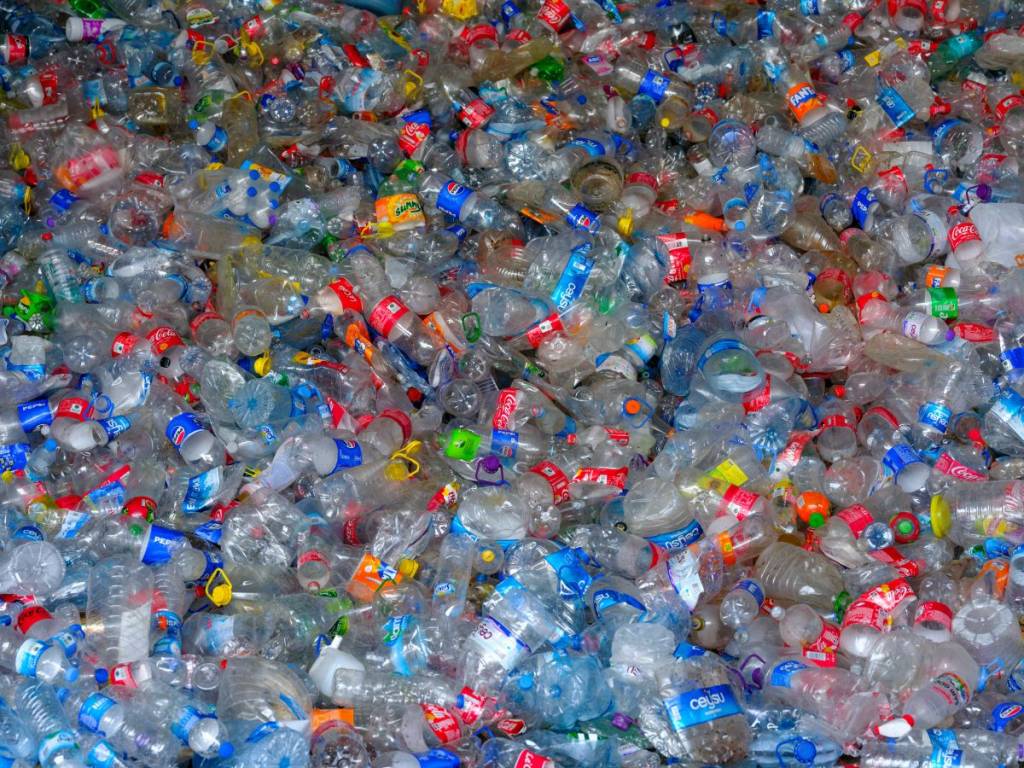

For the past six months, anyone who buys beverages in plastic bottles or cans has been paying a 10-cent deposit per container. The money is refunded only to those who return the containers, and more and more people are doing so: SDR Portugal, which manages the Volta program, reported that more than 450 million containers have been returned since April 10, according to Rádio Comercial.
The deposit rules
Plastic bottles and beverage cans up to 3 liters bearing the Volta symbol are eligible for the system, according to the official website. Excluded are glass, cardboard packaging (such as Tetra Pak), and beverages containing more than 25% dairy content. Containers must be empty and intact, with the barcode in good condition and, in the case of bottles, with the cap attached. There is no need to wash them.
There are more than 3,000 machines in supermarkets and hypermarkets, in addition to manual drop-off points and kiosks, and returns can be made at a store other than the one where the beverage was purchased. The machine prints a receipt valid for one year, which can be used for purchases or to redeem the amount in cash—an option that, according to DECO PROteste, can never be refused.
Volta and Trash in Porto
In September, Mayor Pedro Duarte acknowledged these urban sanitation issues to Renascença, but, unlike Carlos Moedas in Lisbon, he did not call for the system to be scrapped: he considered it a good measure, argued that solutions need to be rethought, and said he was available to assist the government, as reported by Executive Digest.
The government refused to cancel the Volta program, according to RFM, and gave SDR until October 16 to present a plan to address cleanup issues, according to Observador. The European target is to collect 90% of beverage bottles and cans by 2029.
Don’t miss out! Follow us on Facebook, Instagram, and now on WhatsApp too!