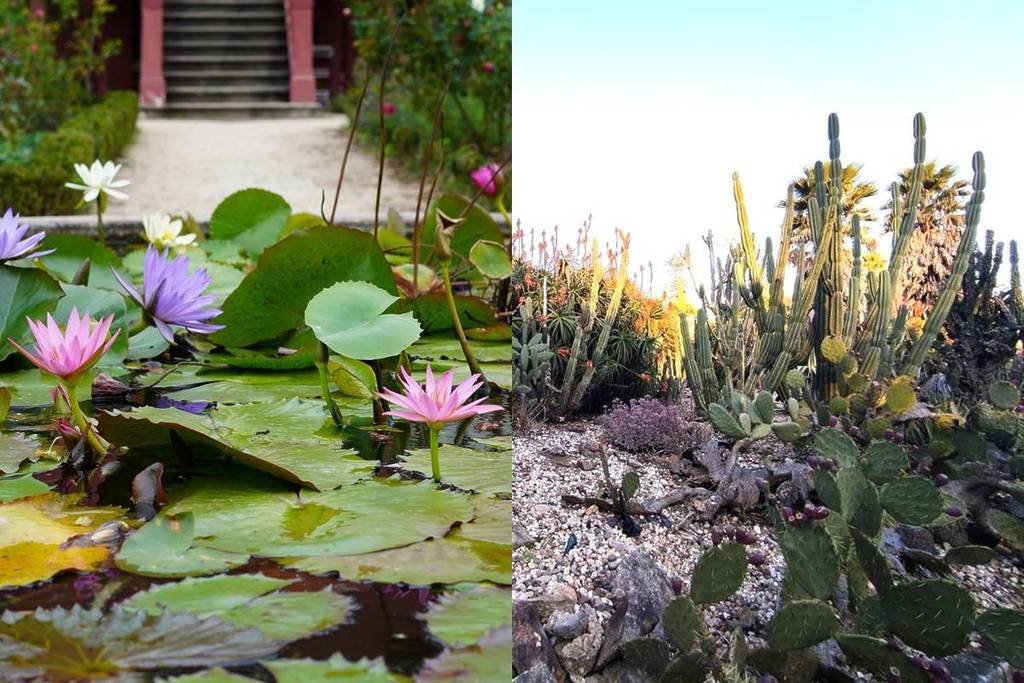

Forget the hustle and bustle of downtown, the long queues at Livraria Lello, and the avalanche of tourists in Ribeira. If you’re looking to breathe fresh air and slow down the pace of city life, the green oasis on Rua do Campo Alegre is waiting for you. Among century-old camellias and giant cacti, the Porto Botanical Garden is one of the best places to welcome spring, and you don’t have to spend a penny, as admission is free.
Covering an area of four hectares, the Porto Botanical Garden is no surprise to the locals, but it will certainly still go unnoticed by some visitors. After all, behind those high walls lies one of the greatest romantic and literary treasures of the city of Invicta. But more than just a green space, this is a gateway to the universe of writer Sophia de Mello Breyner Andresen.
Perfect for the weekend

Unlike the Botanical Gardens in Coimbra or Lisbon (which are National Monuments), the one in Porto is classified as a Property of Heritage Interest by the local City Council. Even so, the relevance and diversity of species that can be found in this beautiful green space is unquestionable.
Currently managed by the University of Porto as part of the Museum of Natural History and Science, the garden is often mentioned in the Green Flag Awards, a kind of ‘Michelin star’ for the management of parks and green spaces around the world. For all this and much more, there is no shortage of reasons to discover its many rare and exotic species.
Not to be missed at the Porto Botanical Garden
When visiting the Porto Botanical Garden, there are some places you really can’t miss. For example, the Cactus Garden transports you directly to the warm climate of Mexico. Among succulents and large cacti, get ready to take some very Instagrammable photos.
Designed by landscape architect Franz Koepp, the Schist Garden and the Fish Garden invite you to take a leisurely stroll, standing out as perfect places to read a good book, or simply close your eyes and listen to the water running in the small lakes.
The skeleton of a whale
If exotic and rare plants are the biggest attraction of the Porto Botanical Garden, the truth is that there is another (very) special place that deserves your attention—the Biodiversity Gallery – Centro Ciência Viva. Housed in the emblematic Casa Andresen, which once belonged to the family of the famous writer Sophia de Mello Breyner Andresen, this was the first Centro Ciência Viva dedicated to biodiversity in Portugal.
Unlike the garden, which is free to access, you have to pay to enter here. Even so, it’s worth it, particularly to see the Instagram-worthy skeleton of a fin whale right at the entrance . But the magic of knowledge extends to every room of the Biodiversity Gallery, which is one of our favorite museums in the city of Porto and one that we recommend visiting at least once in your life.
Where literature comes to life

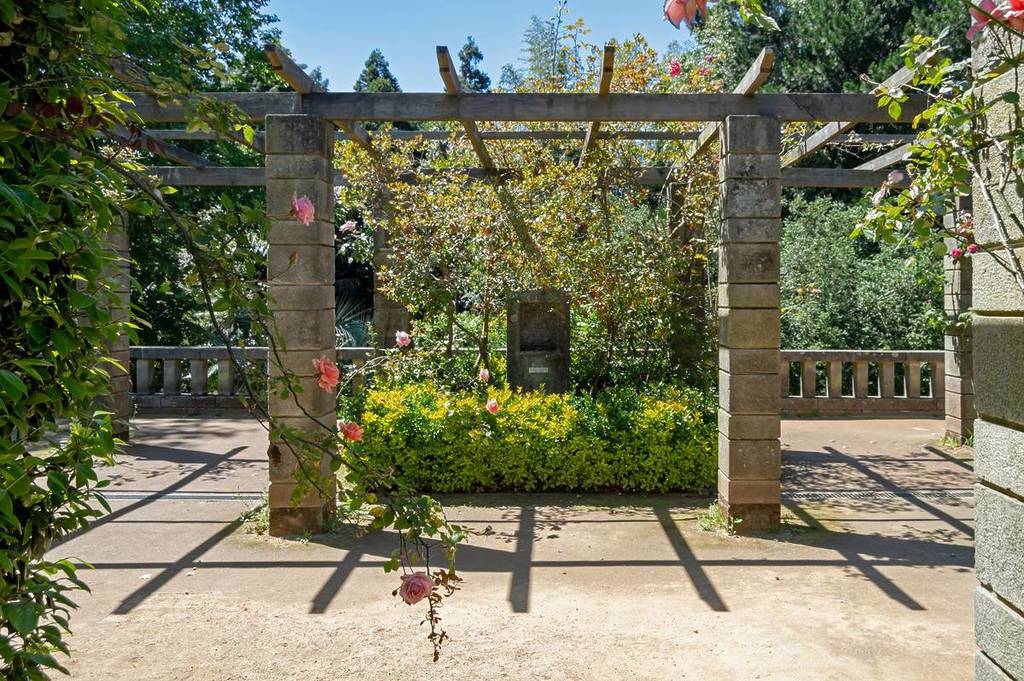
Quinta do Campo Alegre, where the Porto Botanical Garden currently stands, belonged to the Andresen family until 1949. After that, the property was sold to the Portuguese State, which, in 1951, converted it into the Porto Botanical Garden, under the management of the Faculty of Sciences of the University of Porto.
With this umbilical connection to the Andresen family, it is not surprising that this magnificent space has inspired several children’s stories by Sophia de Mello Breyner. In fact, walking through these gardens is synonymous with leafing through the pages of “O Rapaz de Bronze” (The Bronze Boy).
To understand this connection, just read the excerpt from the book “O Rapaz do Bronze” (The Bronze Boy), which is on a plaque at the site:
Useful information
📍 Where: Rua do Campo Alegre, 1191
📅 Opening hours: Every day, from 9 a.m. to 6 p.m. (winter) or until 8 p.m. (summer).
🎫 Admission: Porto Botanical Garden (free); Biodiversity Gallery (paid).
🚌 How to get there: STCP buses (200, 204, 207, 504) stop right outside.
Are you even more eager to enjoy the best of spring in this magical place?
Don’t miss out! Follow us onFacebook,Instagram,andnow also onWhatsApp!