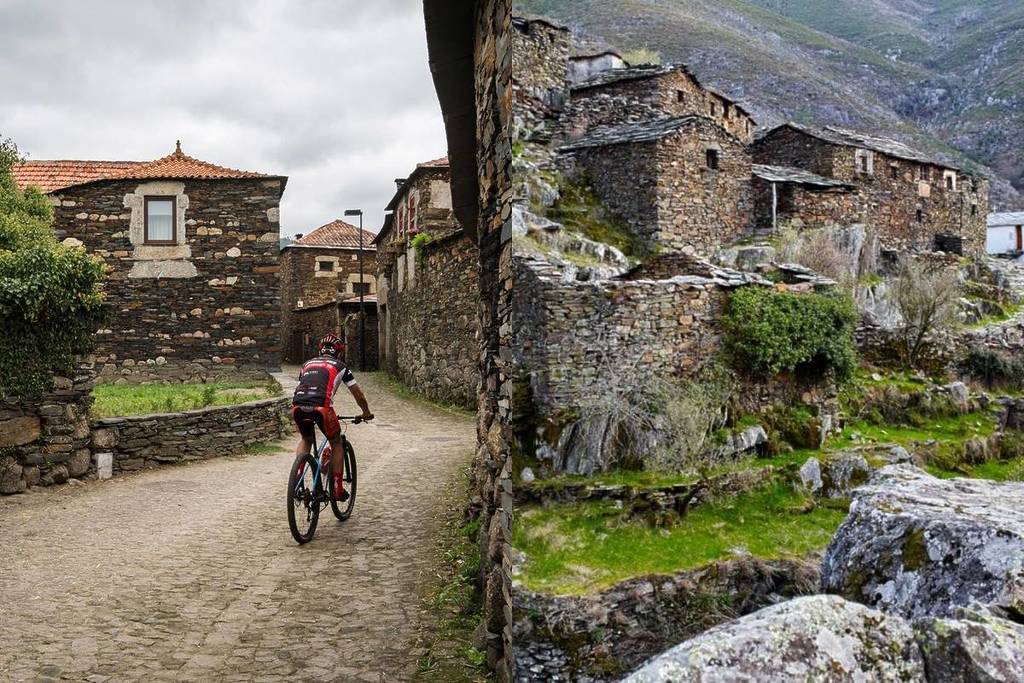
Porto’s beauty is often highlighted across borders. However, the typical hustle and bustle of the city sometimes makes us long for quieter places. So how about a brief tour of the villages near Porto?
From schist villages to completely abandoned places, the options are many. However, there is something that unites each of these places: the picturesque air and the splendor of the surrounding landscape.
Far from being a definitive list, we’ve decided to share some suggestions here for those who yearn to breathe fresh air and ‘lose themselves’ in the infinite charms of nature.
Table Of Contents
Quintandona

You’ve heard of Schist Villages, right? Indeed, they are a marvel and a perfect destination for a getaway. However, you don’ t even have to leave the district of Porto to enjoy schist and slate houses.
What does this mean? As a rule, schist villages are (almost) all located in the Serra da Lousã area. But nearby, in the municipality of Penafiel, you can visit an equally beautiful village: Quintandona.
Situated just over 30 minutes’ drive from Porto, this is a small village and perhaps one of Penafiel’s best-kept ‘secrets’, now part of the Route of the Romanesque.
With just over 60 inhabitants, the bright blue and stained glass windows of the centuries-old chapel, the pillory, the old lamps and the various granaries that bring the village to life stand out.
Couce
https://commons.wikimedia.org/w/index.php?curid=156299231
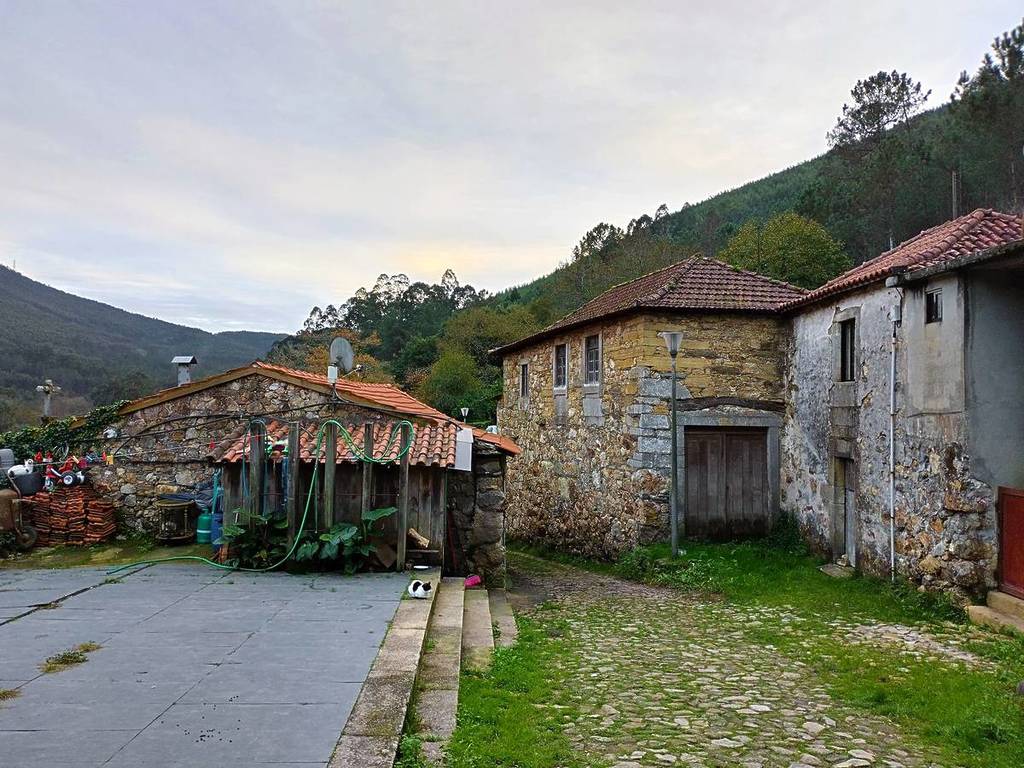
Located (almost) on the doorstep of Porto, Couce is a small village ‘hidden’ in the heart of the Parque das Serras do Porto, where time seems to have decided not to pass. Classified as a Village of Portugal, this rural refuge of schist and quartzite houses sits on the banks of the Ferreira River and offers an incredible contrast to the surrounding urban landscape.
For those who enjoy walking, it can be accessed from the urban area of Valongo via the PR1 – Ecological Corridor, a relaxing trail that prepares the spirit for what’s to come. Once there, the highlights are the typical houses, the narrow streets, the granaries and the terraced farmland, always accompanied by the sound of water meandering through the village.
It’s the perfect option for those who want to get away from the hustle and bustle of the city without spending almost any time traveling, guaranteeing a total immersion in a peaceful and authentic environment.
Trebilhadouro

Less than an hour’s drive away, you can find one of the most beautiful villages near Porto: Trebilhadouro. Located on the terraces of the Serra da Freita, this village belongs to the municipality of Vale de Cambra and therefore to the Porto Metropolitan Area.
For years, the village of Trebilhadouro was uninhabited. However, after being renovated for rural tourism, it has been given a new lease of life. There, you’ll find the ideal place to recharge your batteries and spend a romantic weekend with your better half.
With several options for accommodation, the granaries, threshing floors and public pond are reminiscent of the community life of a village of yesteryear. If you like absolute serenity, this is a place to consider.
What’s more, in summer, you can choose to stay in houses with swimming pools. For example, on the “Traços d’Outrora” page, you can find several options for a stay in full communion with nature.
Drave

The Paiva footbridges and the 516 bridge are two of the biggest tourist attractions in the municipality of Arouca. However, there are several other points of interest, such as Drave.
Currently uninhabited, the magical village, as it is known, fills up with people in the summer. Scouts, nature lovers and hikers come to Drave for a different kind of outing.
Be aware, however, that the village cannot be reached by car. This means you have to walk at least three kilometers. But believe me, it’s worth it. After all, the clear waters of the natural pools won’t make you regret it!
River Frades
DR
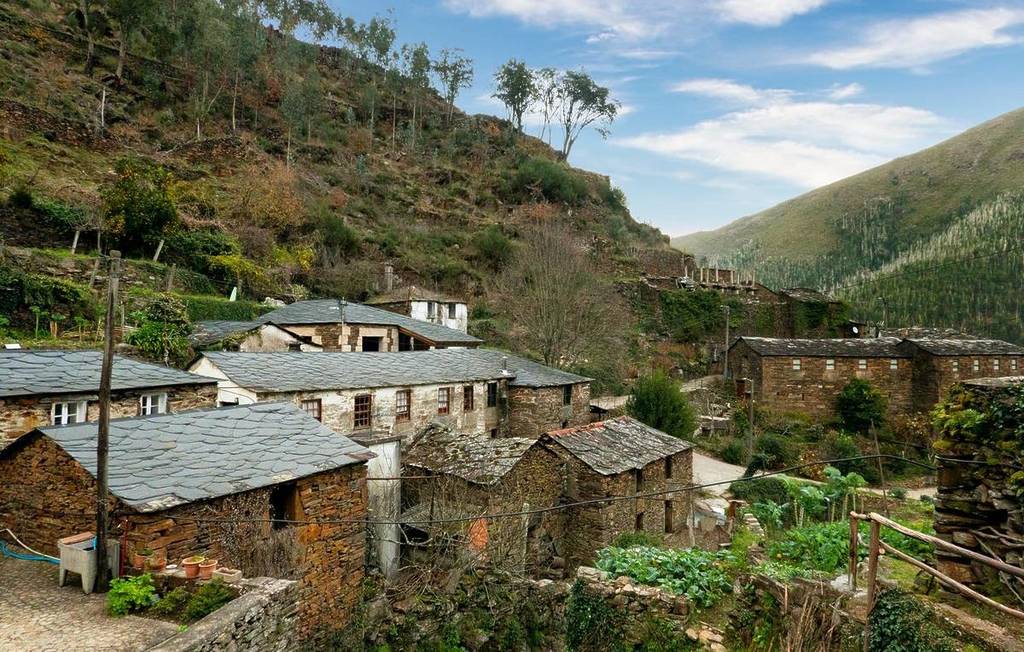
‘Hidden’ in a deep valley in the Serra da Freita, Rio de Frades is a small village in the municipality of Arouca, which is an alternative to explore for those who already know the Paiva and Drave Walkways .
Today, Rio de Frades is largely deserted – a price to pay for its remote location – but in the past it was a mining destination.
Here, tungsten mining had a strong impact, particularly during World War II. Although this past has been abandoned, its marks are visible on a visit to the village.
Of particular note are the typical houses, as well as one of the biggest local attractions: the tunnel that forms part of the old mining gallery called Vale da Cerdeira and culminates in a stream with a beautiful crystal-clear waterfall.